
Locals call it El Derbi—pronounced DEHR-bee.
El Derbi de Madrid—the day when Madrid’s two biggest football clubs, Atlético Madrid and Real Madrid, face each other in a rivalry that divides the city along neighborhood, family, and cultural lines.
It’s a day that changes the city’s rhythm without closing a single museum or rerouting a sightseeing bus—yet you feel something different in the air as soon as you step outside.
This season offered an unusual preview. On January 8, 2026, the two clubs faced each other not in Spain, but in Saudi Arabia during a Spanish Super Cup semifinal.
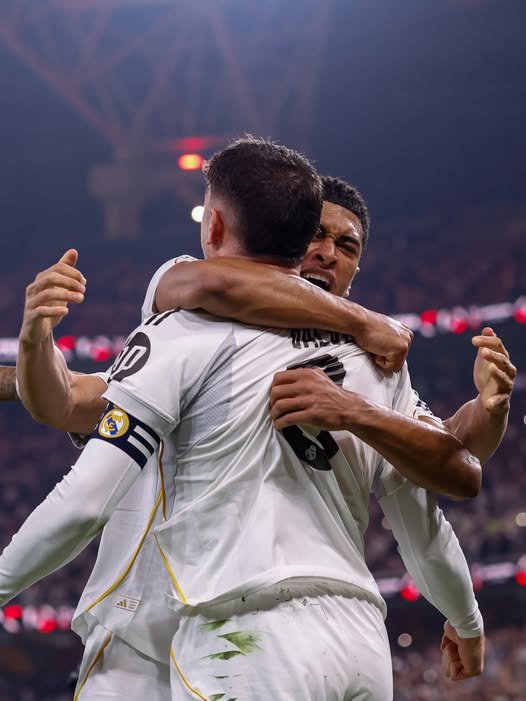
Real Madrid won 2–1, with goals from Federico Valverde and Rodrygo, advancing to the final against FC Barcelona — a completely different rivalry with its own identity and history.
The match took place thousands of miles away—yet in Madrid, bars filled early, screens went up, and familiar rival chants echoed off tiled walls. It was a reminder that the derby doesn’t need a stadium in the city to take over the city—and a preview of the energy building toward March.
In March 2026, the rivalry comes home.
On March 22, El Derbi de Madrid returns to Santiago Bernabéu Stadium—and this is what that day actually feels like in the city.
What El Derbi Means in Madrid
This rivalry isn’t just football; it’s a part of the city’s social fabric.
Over decades, Atlético and Real became symbols of different parts of Madrid’s identity—distinct histories, neighborhoods, and traditions.
Historically, Atlético Madrid has been associated with working-class neighborhoods near the Manzanares River and the south of the city, while Real Madrid has long been tied to the city center, institutional power, and international success—particularly along corridors like the Paseo de la Castellana.
Those associations still matter. Even as Madrid has changed, fans continue to identify with what their club represents: Real Madrid’s historic European dominance and global image versus Atlético’s reputation for resilience, intensity, and underdog pride.
Support is rarely casual. It’s often inherited—passed down through families, reinforced by where people grew up, and tied to long-standing routines like watching matches in the same bar or gathering at the same post-match meeting points.
On derby day, those loyalties become visible across the city. Bars quietly skew one direction or the other. Tables fill with red-and-white Atlético colors or Real Madrid white. Conversations in cafés turn sharper, more focused. Even social circles feel divided, with friends and family temporarily on opposite sides of the same match, sometimes for weeks leading up to kickoff.
What Madrid Will Feel Like on March 22, 2026
Throughout the day, bars, plazas, and homes fill with club colors. Televisions are set up early. Reservations disappear. Groups organize their schedules around kickoff time. In many neighborhoods, it’s immediately clear which side dominates a given space.
Public transport becomes part of the buildup, especially on routes serving Santiago Bernabéu Stadium. Trains are fuller, louder, and more animated than usual. Streets near the stadium experience heavier foot traffic hours before the match.
Socially, the rivalry is everywhere. Neighbors who normally exchange small talk debate lineups. Colleagues check scores between tasks. Families split viewing plans. The match influences where people go, how long they stay, and who they watch it with.
Inside and around the stadium, the atmosphere is intense and unmistakable. Chants are constant. Crowd reactions are immediate. Whether the match is played at the Bernabéu or Atlético’s home ground, the sense of occasion is the same—rooted in history, rivalry, and local pride rather than novelty.
After the final whistle, the city reacts collectively. Bars stay crowded. Streets remain active. Supporters gather at familiar celebration points depending on the result, while others disperse into neighborhood bars to replay the match play by play.
Derby day doesn’t pause Madrid—it reshapes it.
Tips for Travelers During Derby Day in Madrid
Derby Day in Madrid isn’t something you plan around—it’s something you move through.
If you’ll be in Madrid on Derby Day, these details matter.
Choose where to watch intentionally
Sports bars in central neighborhoods and near major plazas will be loud, crowded, and fully committed to one side or the other. If you want energy and noise, that’s ideal. If you prefer space to move, quieter residential neighborhoods or cafés without large screens offer a calmer alternative.
Arrive earlier than you think
Popular bars often fill up two to three hours before kickoff, especially for high-profile matches like El Derbi Madrileño. Showing up close to match time usually means standing room only—or being turned away.
Expect heavier transport use around kickoff
Metro lines serving the stadium and central areas will be busier than usual before and after the match. Trains run frequently, but platforms and cars fill quickly. Build in extra time and avoid tight schedules.
Be aware of bar allegiances
Many bars lean clearly toward Atlético or Real, even if it isn’t advertised. Pay attention to the colors inside before committing to a seat. Wearing neutral clothing is usually the safest choice if you’re unsure.
Plan your evening loosely
Post-match crowds linger. Bars stay full. Streets remain active well after the final whistle. If you have dinner plans or reservations, allow flexibility—derby day tends to stretch later than expected.
If You Don’t Care About Football
You don’t need to be invested in the match to enjoy Madrid on derby day. In fact, if football isn’t your thing, the city can feel easier to navigate during kickoff—as long as you know where to go (and where not to).
What still works well:
- Museums and major sights stay open as usual. Places like Retiro Park and the Prado Museum are often quieter during kickoff.
- Non-sports neighborhoods are calmer. Residential areas away from bar clusters feel noticeably less crowded while the match is on.
- Dinner can be easier mid-match. Restaurants without TVs sometimes have better availability during the game window.
Looking for a Quiet Dinner on Derby Day?
If football isn’t your priority, where you eat matters.
These Madrid neighborhoods tend to stay calmer during the match:
- Retiro – Local restaurants, fewer sports bars, and a quieter evening vibe
- Salamanca – Residential and upscale, with dining-focused restaurants and minimal screens
- Chamberí – Lived-in and neighborhood-oriented, where the derby stays in the background
- Pacífico – A quieter pocket near Retiro with family-run restaurants
Neighborhoods to avoid if you want a peaceful meal:
- Sol
- Gran Vía
- Malasaña
- Streets immediately surrounding Santiago Bernabéu Stadium
- Metro stations serving the stadium immediately after the final whistle—queues and crowded platforms are common.
Rule of thumb: If you hear chanting before you sit down, keep walking.
Derby day doesn’t shut Madrid down—it redistributes attention. If you’d rather observe from the edges, a little timing and location awareness goes a long way.
Before You Go
The energy of El Derbi Madrileño is more than just a 90-minute football match; it’s a spontaneous cultural event that overtakes one of Europe’s largest cities. It offers a unique window into Madrid’s soul, revealing the deep, inherited loyalties that tie neighborhoods and families together—or briefly divide them.
For residents, it’s a day of passion and ritual. For travelers, it’s an opportunity to witness Madrid’s pulse at its most intense.


