
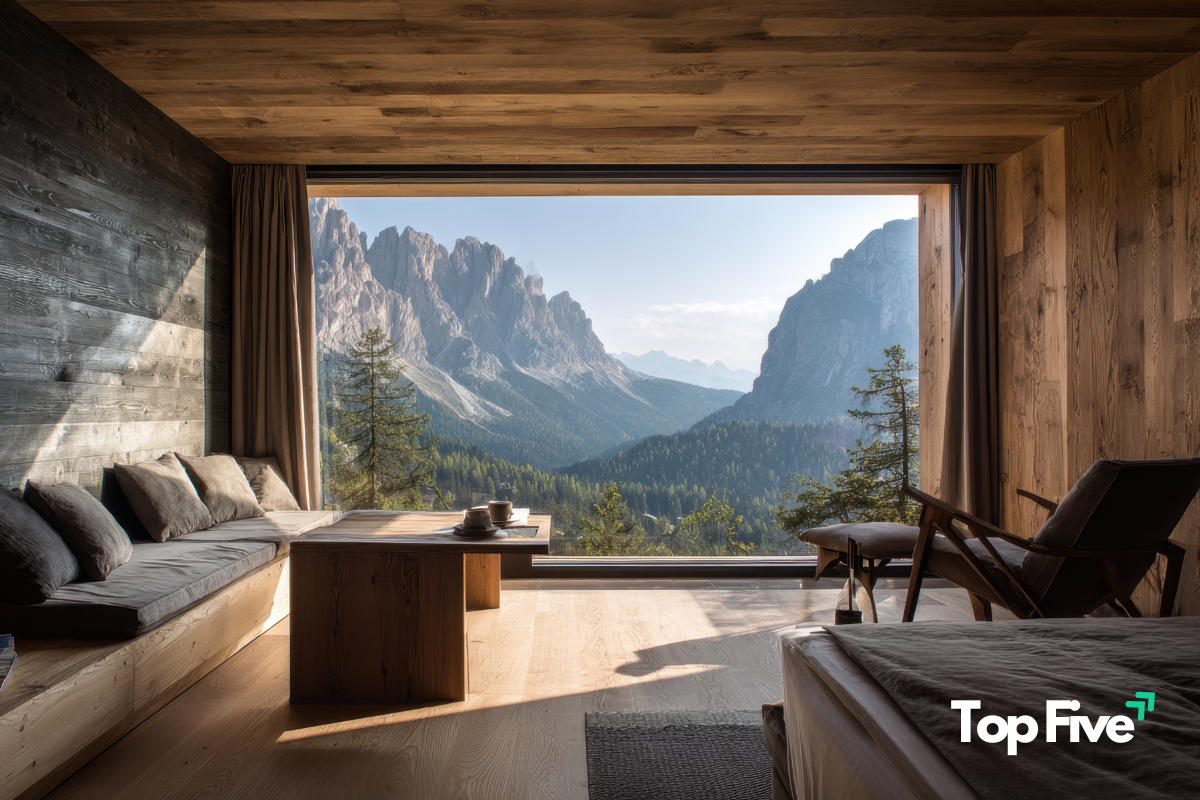
Loud cities. Packed itineraries. Overplanned vacations that somehow leave travelers more exhausted than when they left.
In 2026, something is shifting.
Instead of chasing more — more sights, more reservations, more stimulation — travelers are opting out. They’re choosing trips designed around quiet, space, and intentional stillness. Silence, once considered a lack of amenities, is now one of travel’s most coveted luxuries.
Welcome to the era of the quietcation.
This isn’t about slow travel or longer stays. It’s about doing dramatically less — and finally feeling the difference.
Why Silence-First Travel Is Taking Over
Quietcations didn’t appear out of thin air. They’re a direct response to how modern life — and modern travel — now feels.
After years of packed calendars, digital overload, and “revenge travel,” travelers are reassessing what actually restores them. The result is a new kind of trip, one where rest isn’t something you squeeze in between activities — it is the experience.
Silence-first travel is built on one central idea: if a trip doesn’t give you mental white space, it doesn’t qualify.
What a Silence-First Trip Actually Feels Like
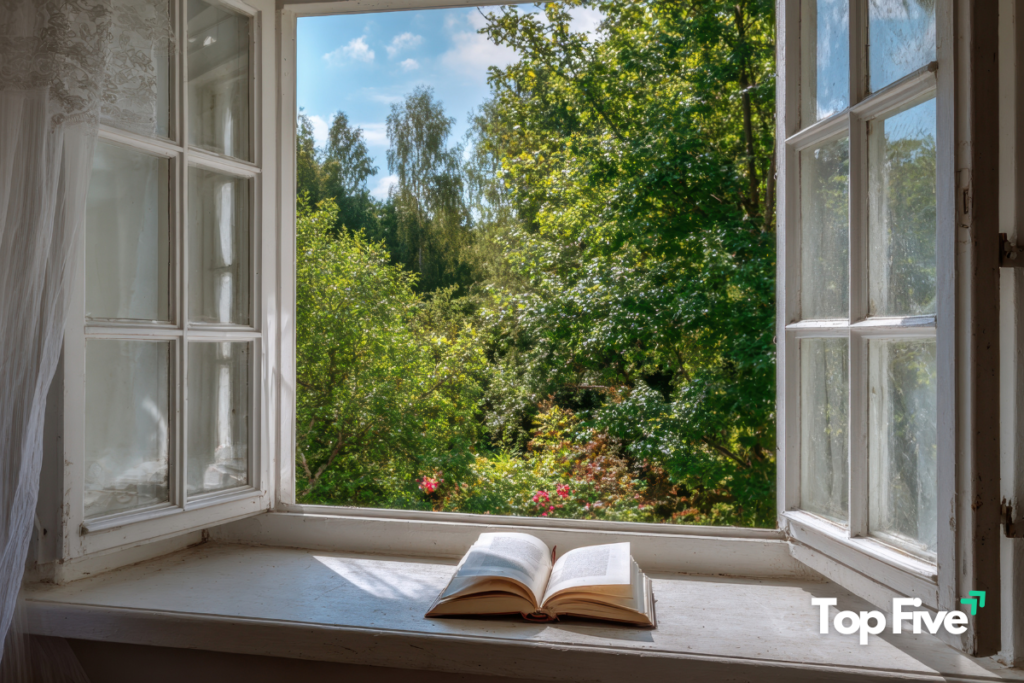
A quietcation isn’t just “a quiet vacation.” It’s a deliberate rejection of noise — physical, digital, and social.
While destinations vary, most quietcations share a few defining characteristics:
- Silence is intentional, not accidental: You’re not hoping for quiet. You’re choosing places where stillness is built in — through location, design, or limited capacity.
- Space matters more than amenities: The appeal isn’t rooftop bars or activity calendars. It’s physical distance, visual calm, and not hearing someone else’s playlist through the wall.
- Days have no agenda: There’s no pressure to “make the most of it.” Waking up late, doing nothing, and repeating that tomorrow is the point.
- Disconnection is a feature, not a flaw: Weak Wi-Fi, spotty service, or no screens at all are often part of the appeal. Quietcations create friction between you and constant availability.
- Low social demand: These trips minimize small talk, shared spaces, and forced interaction. You’re not there to network, mingle, or perform vacation energy.
This isn’t minimalism or luxury for luxury’s sake. It’s about choosing restraint in a world that sells excess — and realizing how rare that choice has become
Why Quietcations Are Trending for 2026

The quietcation isn’t a niche escape. It’s a response to several travel and lifestyle shifts converging at once.
1. Burnout Travel Is Replacing Bucket Lists
After years of cramming experiences into every hour, travelers are prioritizing trips that actively reduce mental load. The absence of activity has become the activity.
2. Digital Detox Is Going Mainstream
More travelers are seeking destinations with weak cell service on purpose. Being unreachable is no longer a downside — it’s a selling point.
3. Noise Is the New Stressor
Growing awareness around noise pollution, overstimulation, and nervous-system fatigue has made silence feel restorative rather than empty.
4. Quiet Luxury Is Taking Over
In fashion, design, and now travel, subtlety has replaced spectacle. Privacy, calm, and discretion now signal luxury more than flash ever did.
Where Travelers Are Planning Quietcations in 2026
Quietcations aren’t tied to one type of destination. Instead, they show up in places where isolation, design, and pace naturally support stillness.
1. Remote Nature Regions
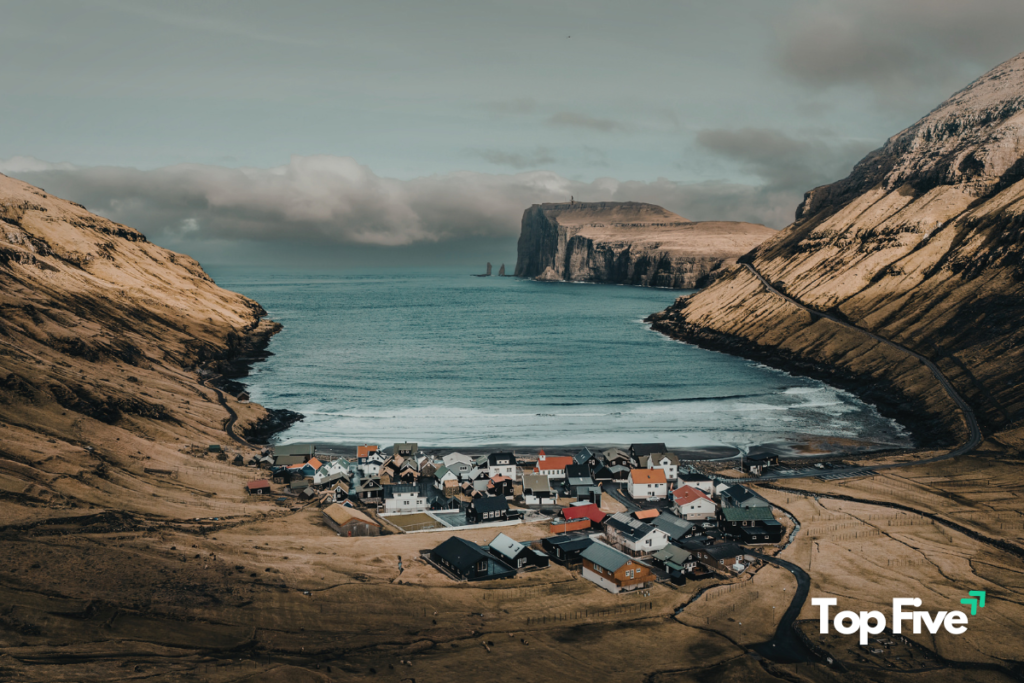
Places like the Faroe Islands, Patagonia, and Scottish Highlands offer dramatic landscapes with built-in isolation.
2. Forest & Mountain Cabins
From the Norwegian Fjords to the Pacific Northwest, cabins surrounded by trees, fog, and water are prime quietcation territory.
3. Small Coastal Villages
Not party beaches — think empty shorelines, fishing villages, and off-season coastal towns where the loudest sound is the tide.
4. Minimalist Retreats (Without the Woo)
In places like Japan, semi-silent retreats and design-forward lodgings are drawing travelers who want structure without social pressure.
Who Quietcations Are Best For
Quietcations tend to resonate most with:
- Burned-out professionals craving true mental rest
- Travelers tired of performing productivity on vacation
- Couples seeking calm rather than constant stimulation
- Solo travelers who value solitude over social itineraries
If the idea of “doing nothing” feels like relief instead of waste, this trend is likely already on your radar.
How to Plan a Quietcation (Without Booking the Wrong Place)
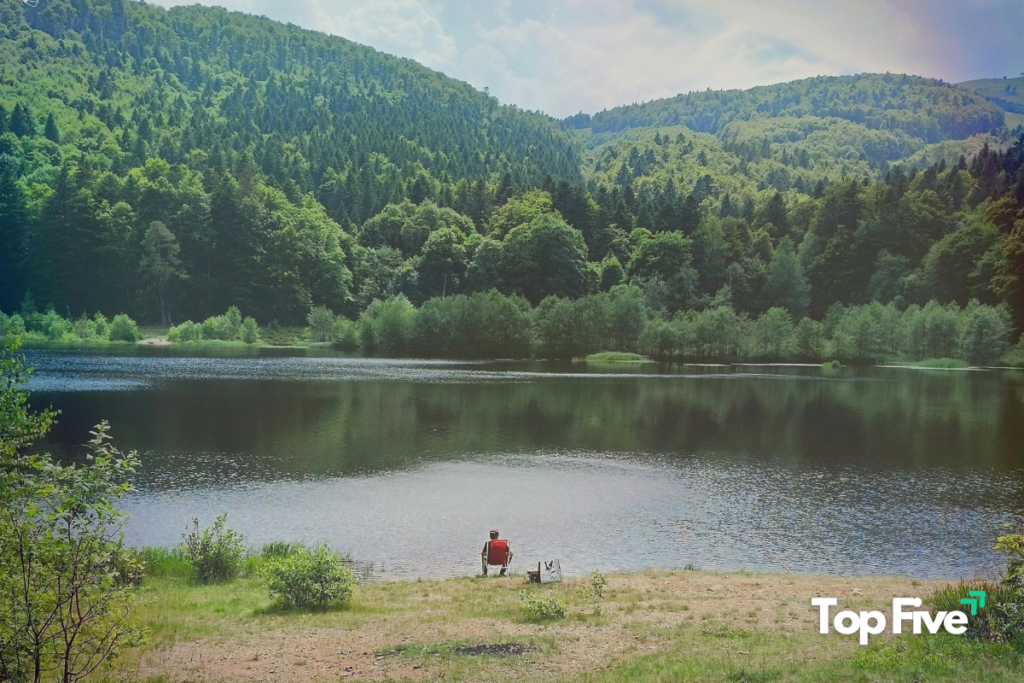
Quietcation planning requires a different lens than traditional travel.
- Travel off-season whenever possible
- Choose properties with fewer rooms or units
- Avoid destinations marketed for “vibrant nightlife”
- Look for words like secluded, remote, adults-only, or nature-immersed
- Read reviews for mentions of silence, privacy, and stillness
A simple rule of thumb: if the hotel’s Instagram is full of pool parties, keep scrolling.
Before You Go
Quietcations aren’t about escaping the world. They’re about turning the volume down.
As 2026 approaches, more travelers are realizing that the most memorable trips aren’t always the busiest ones. Sometimes, the best souvenir is a rested nervous system, uninterrupted sleep, and the feeling of having nowhere you need to be.
If your idea of luxury now includes silence, space, and intentional simplicity, a quietcation may be the most meaningful trip you take next year.


