
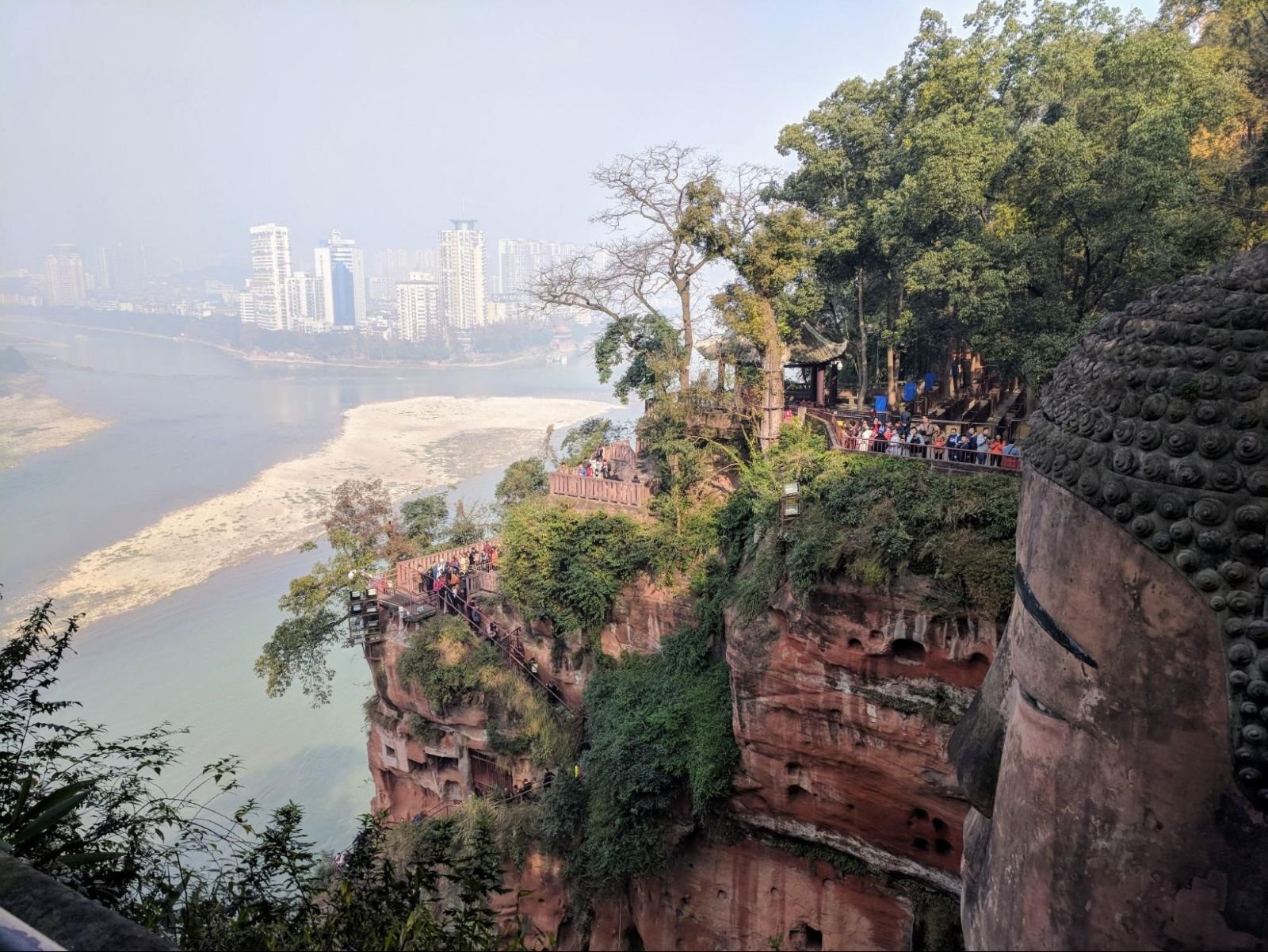
Culture shock in China can be…shocking.
When most people picture China, they think the Great Wall, pandas and dumplings. While you will of course find these things, the daily rhythm of the country is what really catches you off guard.
China is a country of contrasts. 2,000 year old untouched temples sit in the shadow of ultra modern skyscrapers. Rickety rickshaws transport businessmen to the office. And tiny food vendors on bikes that hardly seem to be professional will have an engraved QR code to scan for payment.
If you’re planning a trip to China for the first time, having some expectations ahead of time can help ease the shock. After numerous years of solo travel, I really thought I was prepared for anything, but these 5 things still surprised me.
Scooters Everywhere
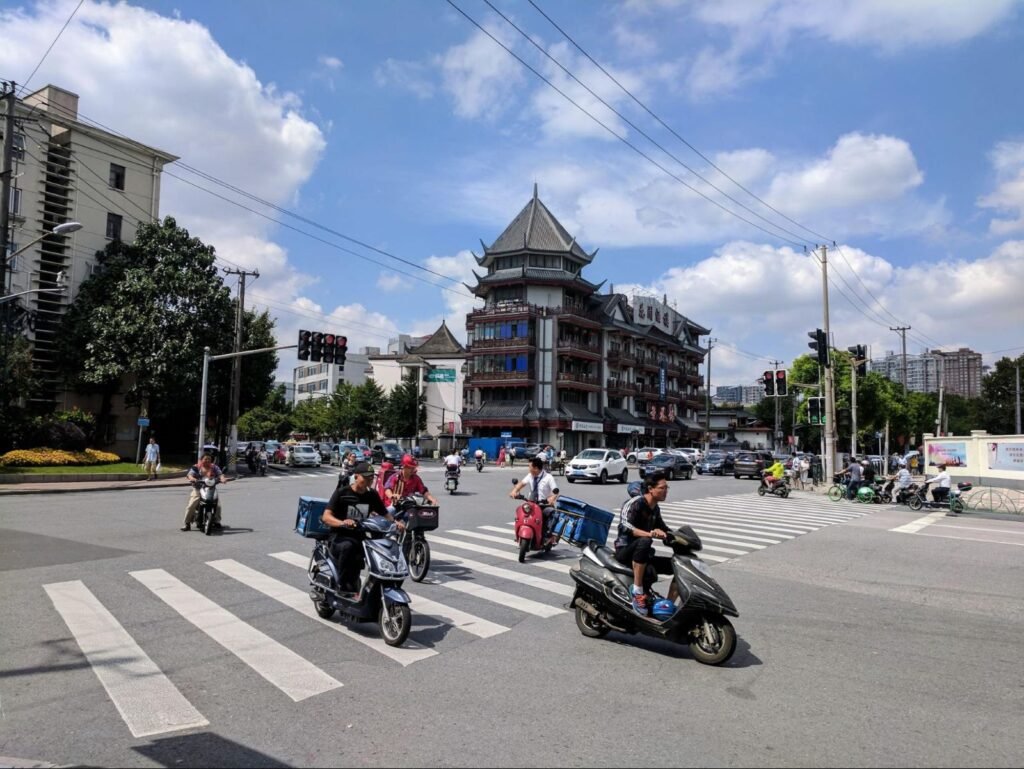
Scooters swarm the streets (and sidewalks) like you wouldn’t believe. Many walking streets, sidewalks and ancient bridges have cement poles so that cars can’t drive through, but scooters sneak their way in all the time.
Scooters are considerably more affordable than cars, so are the obvious mode of transportation for many Chinese citizens. Most scooters you’ll see are electric, and you won’t even hear them coming! So make sure you look both ways. Even on sidewalks.
You’re sure to see women driving scooters with babies strapped to their back or toddlers sitting at their feet. Or someone hauling bamboo steamers stacked impossibly high. People will haul literally anything with them on scooters, whether it fits or not.
On my very first day in China, I saw a man with a toilet between his legs on his scooter. After several months in the country, the most surprising part of this was that it was a Western-style toilet.
Squat Toilets
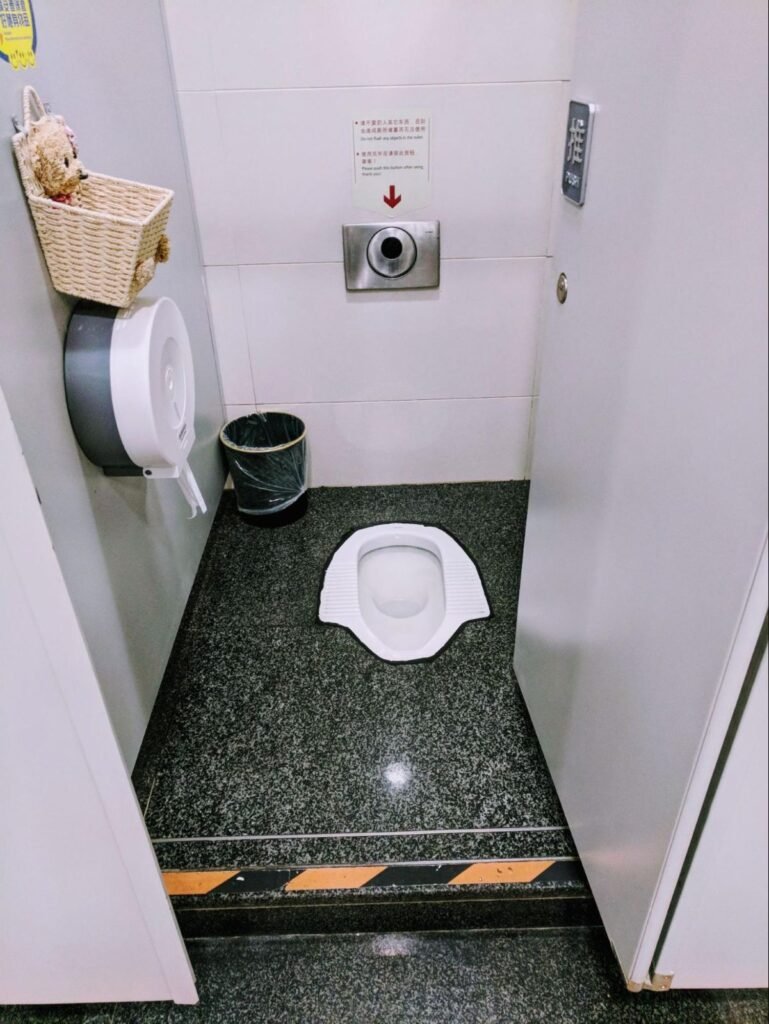
Squat toilets take a bit of getting used to and plenty of coordination after a few drinks.
While Western-style toilets are common in Western hotels, you can also find them in airports if you’re desperate. However, your average public toilet will most assuredly be a squat pot. Including in the big fancy malls, train stations, or pay-to-use restrooms.
You may flinch at this, but squat toilets are actually more hygienic than toilets in the West. No hovering or toilet seat cover required!
While we’re on toilets, many do not have toilet paper, so bring your own. You can purchase little packs of bamboo tissues in grocery and convenience stores to carry around in your purse. You won’t flush the toilet paper either – there will be a little trash can in the stall for your disposal.
Also, bring your own hand sanitizer. If the bathroom has a sink, it likely won’t have soap.
Religious Sites
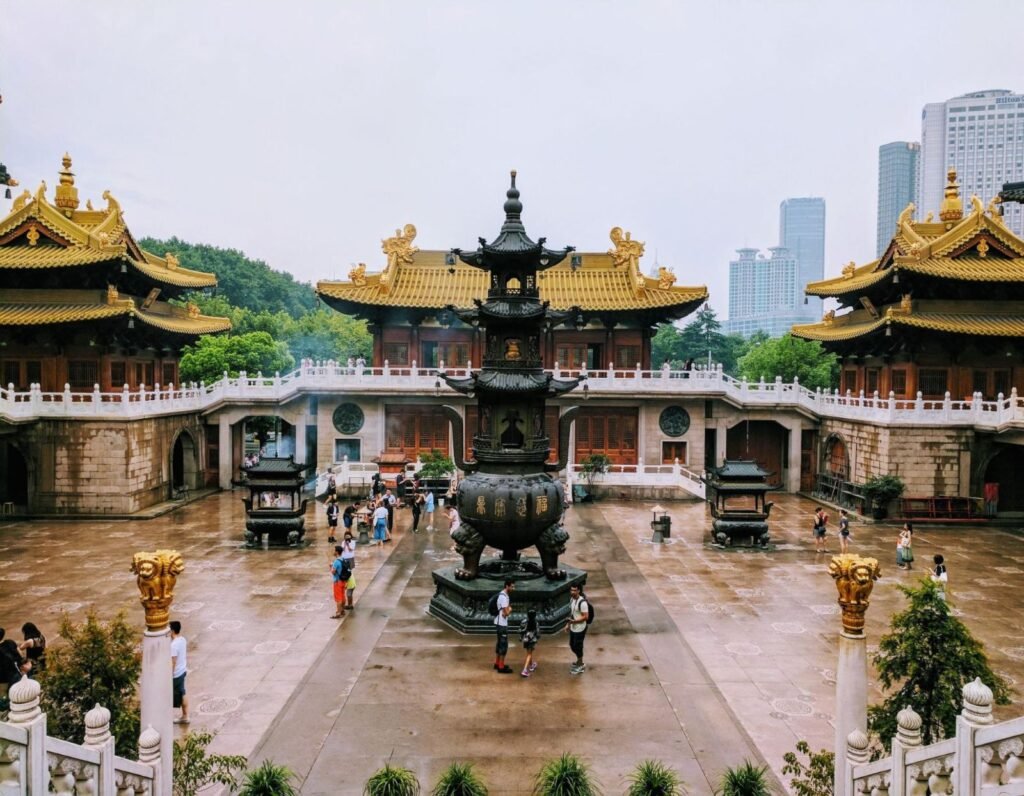
The reigning communist party of China has not been a fan of organized religion since its founding in the late 1940’s. During the Cultural Revolution of the 1960’s, the government tried to eradicate religion, so many temples, churches and mosques were destroyed. Although some state-sanctioned religious gatherings are allowed, most Chinese people are raised atheist or are incredibly secretive about their beliefs for fear of persecution.
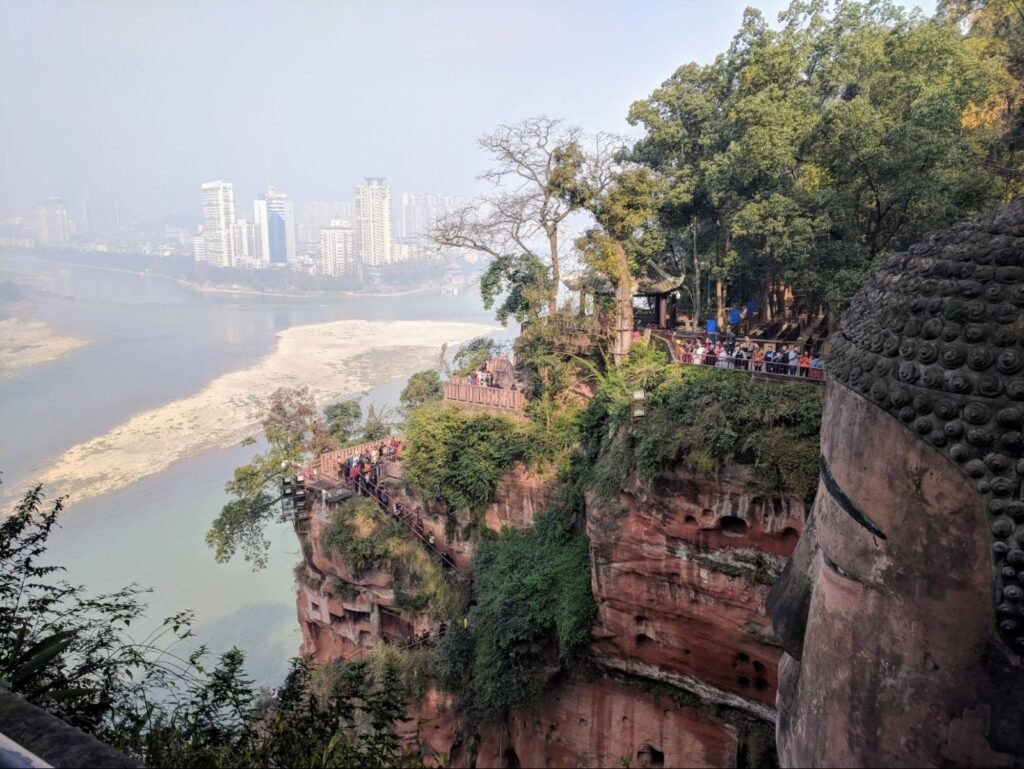
Despite this government campaign, there are still numerous ancient religious sites to be explored. You’ll find Buddhist temples (with delicious on-site vegetarian restaurants), Taoist temples, churches, mosques and even a few synagogues scattered around the country.
While China is an incredibly futuristic country, I recommend seeking out these religious sites to really get a feel for Old World China. You’ll find they are a peaceful respite from the chaos just outside the temple walls, even in the heart of the city.
Green Space
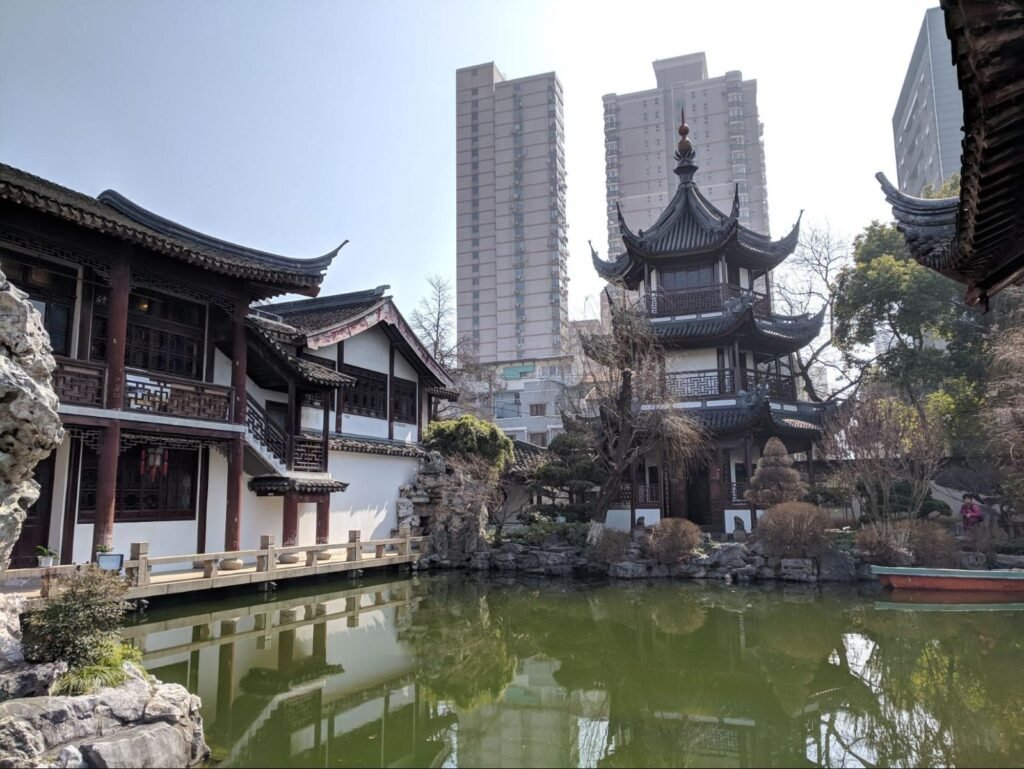
As you can imagine, China has many, very large industrial areas throughout the country. There are countless sky-high residential buildings, and a multitude of commercial buildings. Plus, roads to connect them all.
While you may think China is one big concrete jungle, there is actually a surprising amount of foliage. From large, dedicated parks in city centers to medians full of trees, grass and flowers, every square inch that hasn’t been developed has been turned into green space.
Many public parks surround lakes, with options to rent paddle boats or other fun ways to stay dry while on the lake itself. There is also usually a path that lines the perimeter of the lake so you can take a leisurely stroll.
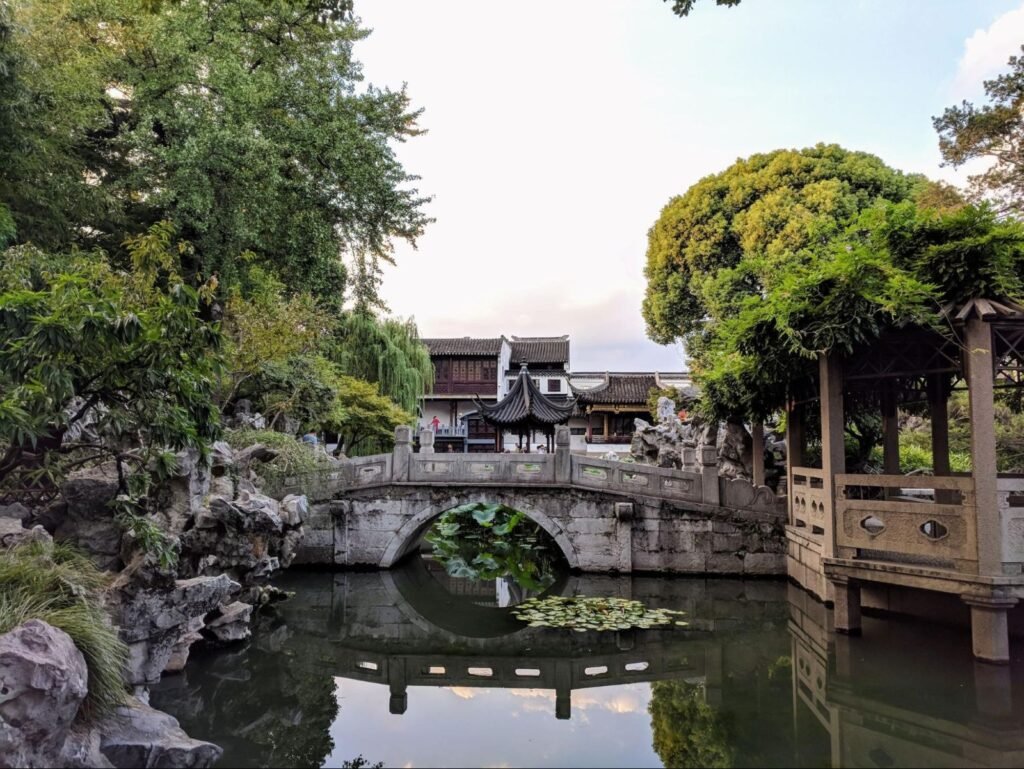
Traditional Chinese gardens can be found throughout the country. There’s a Chinese proverb that translates to “above there is heaven; below, there is Suzhou and Hangzhou,” which refers to their beautiful gardens (again with lakes). Near Shanghai, both cities are popular destinations for Chinese tourists, so plan your visit for a weekday!
Hot Water
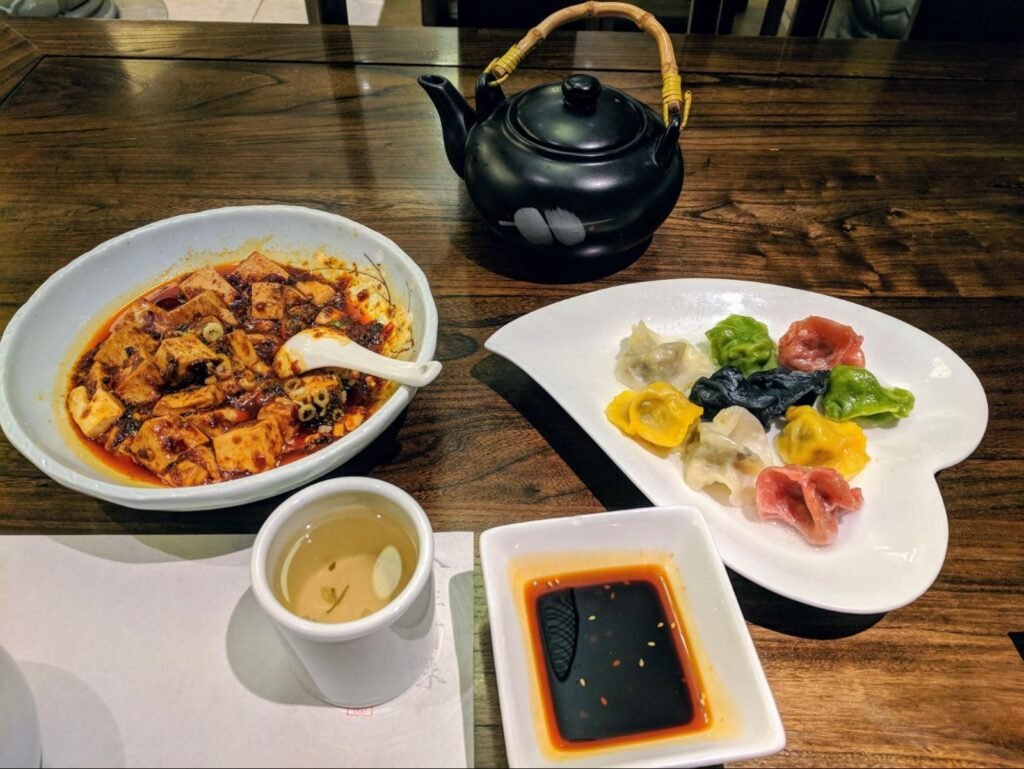
It could be 100°F outside, and you’ll still see that soup restaurants and tea stalls are packed. Any public fountains you find with safe drinking water will be taps of scalding hot water. Cold water is surprisingly difficult to find. Even bottled water at convenience and grocery stores will be room temperature.
This is because in Traditional Chinese Medicine, warm water is considered to be better for digestion.
China’s tea culture spans over 5,000 years, so you will find that tea is served with most meals in restaurants, regardless of the weather. The best tea stalls are actually the ones that don’t sell any tea ware, and only use their indoor space to store the tables and chairs that they set outside when patrons arrive. Naturally, you will see customers sipping their tea even at midday in the heat of summer.
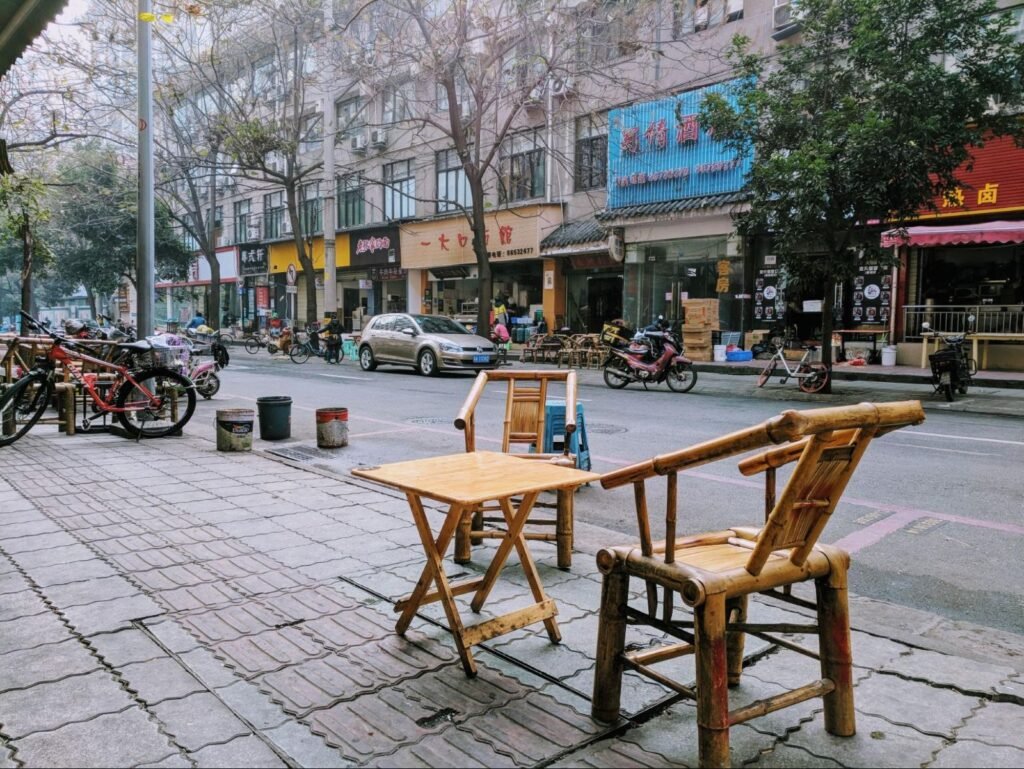
So when packing your reusable water bottle, make sure to bring one that’s glass or metal and can withstand boiling water. If you wish to buy one in country, they’ll usually come with tea steepers for brewing on the go.
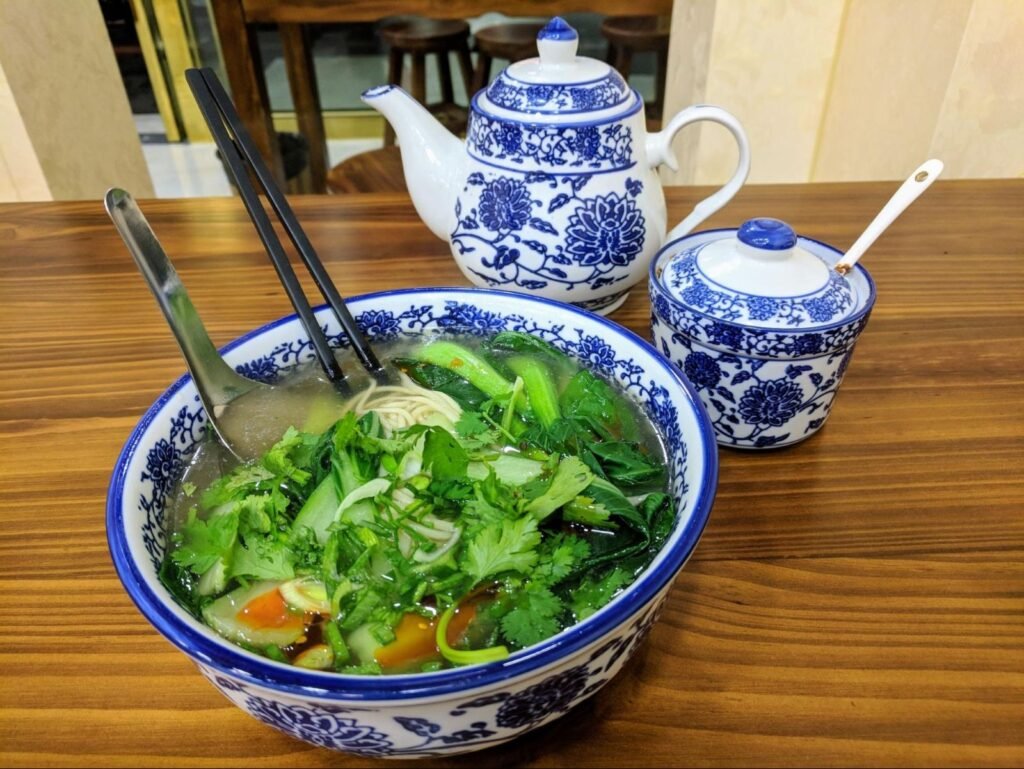
There are also many different types of Chinese soup restaurants. A big bowl of hand-pulled Lanzhou noodles (lamien, meaning noodle water) is a very popular meal for lunch. Malatang (meaning spicy broth) is great for a build-your-own soup. And, of course, hot pot (cooking everything in a cauldron at your table) is very popular for friends and family when dining out.
Conclusion
China is often overlooked, as foreign tourists usually opt for countries that are easier to enter. However, with the recent visa restriction easements, it’s easier than ever to explore this vibrant country.
A country of contrasts, the surprises you’ll find in China will leave you with a lasting impression you won’t soon forget.


Molly spent her 20’s traveling the world, mostly solo. She loves planning the trip almost as much as actually traveling. Now a small business owner and a mother, she loves the added challenge of traveling with her toddler and infant, and shows families that travel doesn’t stop when you have kids, it’s just a new beginning.
You can find her on social media, or follow along on her blog Hooked on Hiatus.