
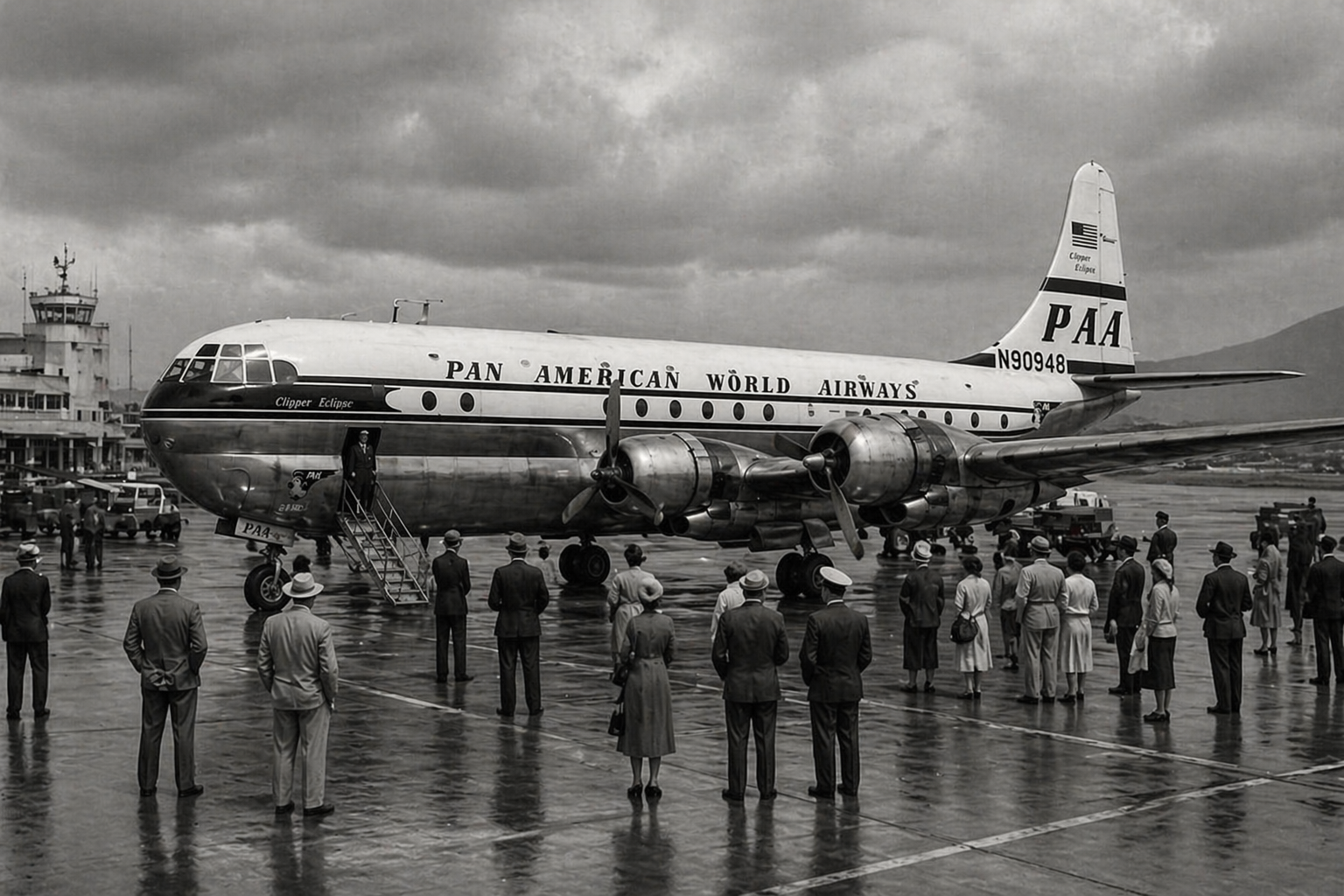
In 1955, a Pan American World Airways flight—Pan Am Flight 914—took off from New York, headed to Miami. It was a short, routine route, the kind flown countless times without incident. There were passengers on board going about their lives, a crew doing their jobs, and nothing about the flight suggested it would be remembered.
But it never arrived.
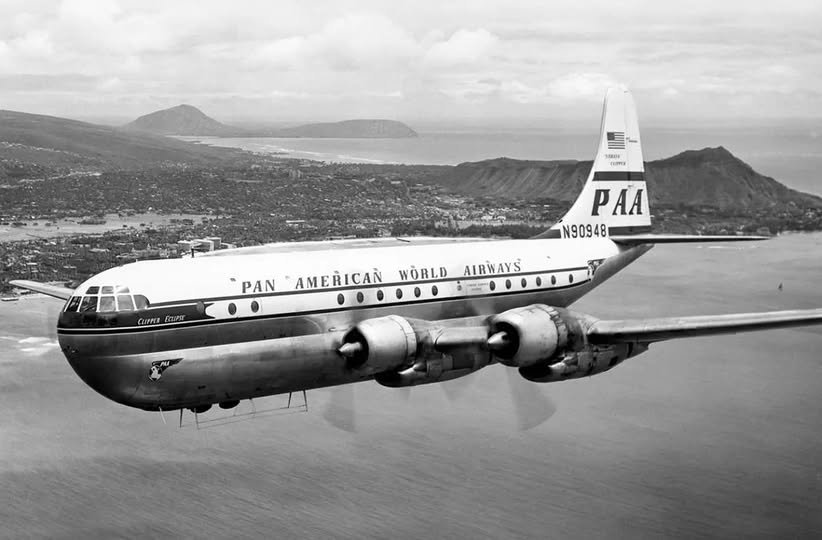
At some point along the route, the plane simply disappeared. There was no distress call, no indication of mechanical failure, and no debris ever recovered. Search efforts turned up nothing. No wreckage. No confirmed crash site. No explanation.
And eventually, it’s written off—another aviation mystery with no clear ending.
…or so the story goes.
The Day It Came Back
Then, years later, something strange reportedly happened.
Air traffic controllers in Caracas, Venezuela, picked up an unidentified aircraft on radar. It wasn’t scheduled, and it wasn’t where it should have been. When they made contact, the pilot seemed confused. He asked where he was, and when controllers tried to clarify the situation, the conversation took an unexpected turn.
The pilot insisted he was flying a routine route from New York to Miami. Then he gave the date.
1955.
But on the ground, it was decades later.
The aircraft that landed didn’t match modern planes in use at the time. It was described as an older model, something that would have been consistent with mid-century aviation. The passengers reportedly appeared normal, though shaken and disoriented. Some versions of the story claim they hadn’t aged at all.
There was a sense—at least in the retellings—that everyone present understood they were witnessing something impossible, even if no one could explain it in the moment.
And then, just as suddenly as it arrived, the plane takes off again—and disappears.

This Is Where the Story Starts to Break Down
If something like this had actually happened, it wouldn’t be a half-forgotten story floating around the internet.
A commercial aircraft vanishing for decades—and then reappearing—would be one of the most documented events in aviation history. There would be official investigations, detailed reports, and widespread media coverage. It would be studied, referenced, and impossible to miss.
So people went looking.
Through aviation databases. Through historical archives. Through accident reports and airline records. They searched for any mention of a Pan Am flight that disappeared under those circumstances—or any record of an unexplained landing in Venezuela decades later.
And they didn’t find anything.
No flight records.
No investigation reports.
No contemporary news coverage.
For something of that scale, the absence of evidence isn’t just suspicious—it’s definitive.
The Truth Behind the Mystery
The story doesn’t come from aviation records.
It doesn’t come from the 1950s.
It comes from a tabloid.
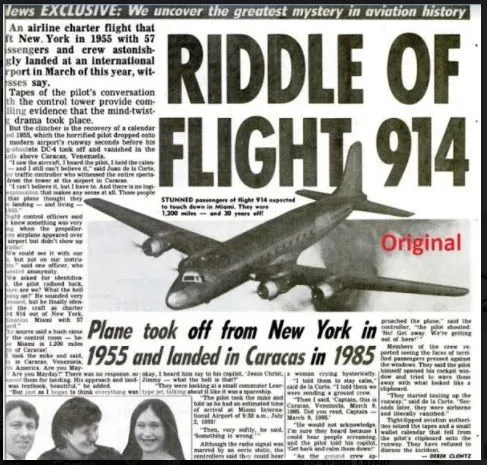
The entire account of Pan Am Flight 914 first appeared in Weekly World News in May 1985—a publication known for publishing fictional, sensational stories presented as real events.
The story was later republished in 1993 and again in 1999, each time slightly altered—changing dates, adding details, and reshaping parts of the narrative.
Even the images associated with the story weren’t what they claimed to be. Some were reused or unrelated stock photos, presented as evidence to make the story feel more believable.
Once it made its way online, it took on a life of its own. Videos, blog posts, and social media shares repeated the story, often leaving out the part about its origin. Each retelling made it feel a little more established, a little more believable.
Watch One of the Viral Versions
This viral video telling the story of Panam flight 914 was posted to YouTube by BRIGHTSIDE in 2019 and has since racked up over 26 million views!
Why It Feels Real
Part of what makes this story so effective is how it’s built.
It uses a real airline, a plausible route, and a type of mystery that already exists in the real world. It doesn’t rely on anything completely outlandish. Instead, it stays just close enough to reality that it doesn’t immediately trigger skepticism.
It also taps into something people are naturally drawn to—the idea that there are still things we don’t fully understand. Time, in particular, invites that kind of speculation. Even if someone doesn’t fully believe a story like this, there’s usually a moment where they pause and think… what if?
That’s why it keeps resurfacing.
Not because new evidence appears, but because the story is compelling enough to be told again—and believable enough to stick.
Final Take
Pan Am Flight 914 isn’t a forgotten aviation mystery.
It’s a perfectly told story.
And that’s what makes it so convincing.
Because if you read it from the beginning—without knowing where it came from—it feels real. The disappearance makes sense. The reappearance feels shocking but possible. The details fill in just enough gaps to keep you from questioning it too early.
By the time you reach the truth, you’ve already pictured it.
The runway.
The passengers.
The moment everything stops making sense.
And that’s the real reason it never goes away.
Not because it happened.
But because, for a moment, it feels like it could have.


